

Diplomats Acquire Unique Skills. Are They Applicable Elsewhere?
The ability to gather, analyze, synthesize and communicate information clearly is their best asset, former diplomats say.
By WILLIAM CASON
The ability to gather, analyze, synthesize and communicate information clearly is their best asset, former diplomats say.
By WILLIAM CASON

Foreign affairs agencies should take a proactive approach to using the new technology to revolutionize the conduct of international relations.
By VIRGINIA BLASER
The reasons for applying the label include spying, tit-for-tat games, expressions of ideology and the whims of dictators.
By ROBERT DOWNES
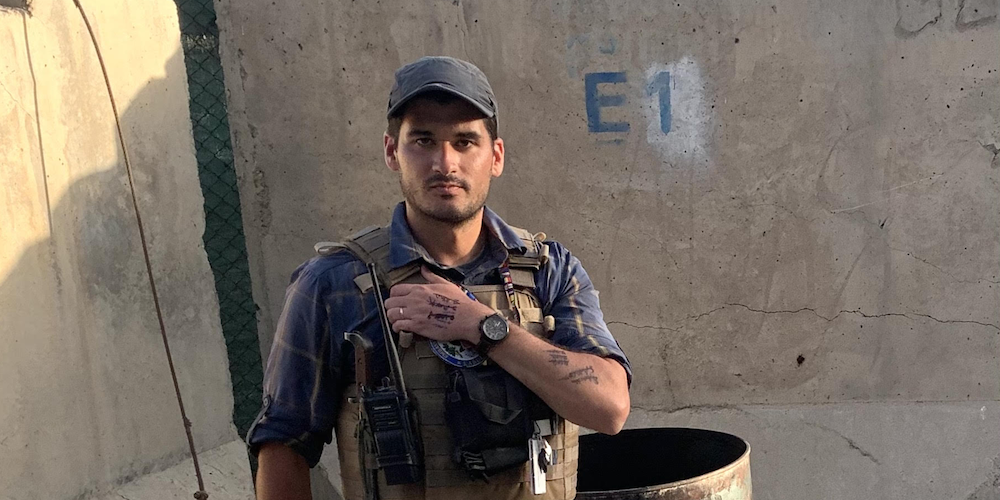
Two years after Afghanistan’s collapse, a former Foreign Service officer’s memories still haunt him.
By MITCHELL ZUCKOFF

Fresh out of college, I joined 74 other Americans to staff the USA Pavilion, which celebrated freedom and diversity.
By CAITLYN PHUNG
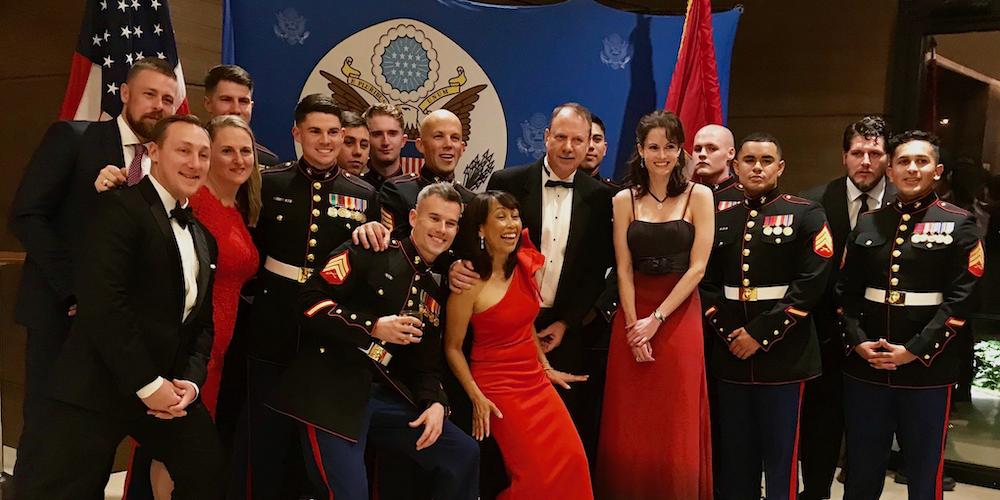
Diplomats work hard to prevent bad things from happening, but sometimes tragedies occur even on the day that celebrates love.
By ROBIN HOLZHAUER

Managers often talk at their staff, and little training is given on how to provide effective performance guidance.
By VIRGINIA BLASER

They expand access to markets, promote U.S. exports and help developing countries improve their capacity.
By SUSAN PHILLIPS
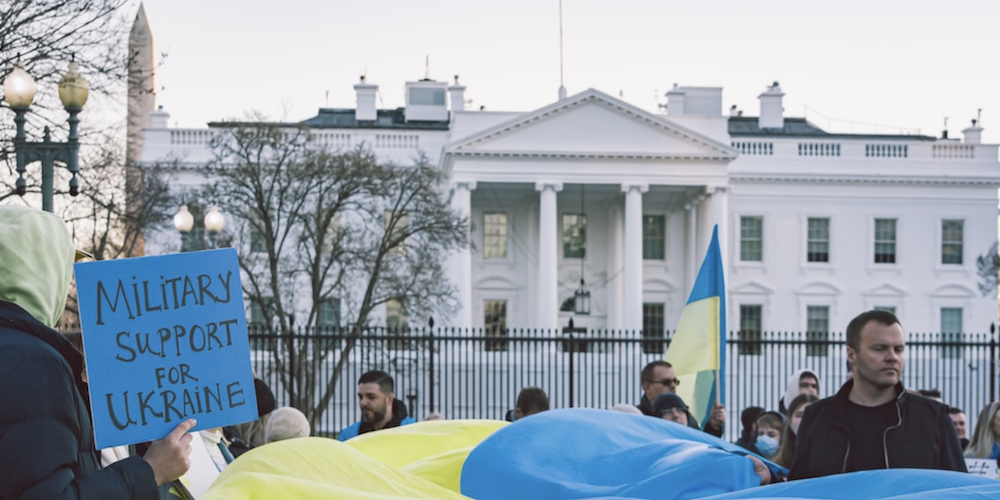
Russia violated the Budapest Memorandum, but it hasn’t repudiated it. The document may still be useful.
By ROBERT DOWNES
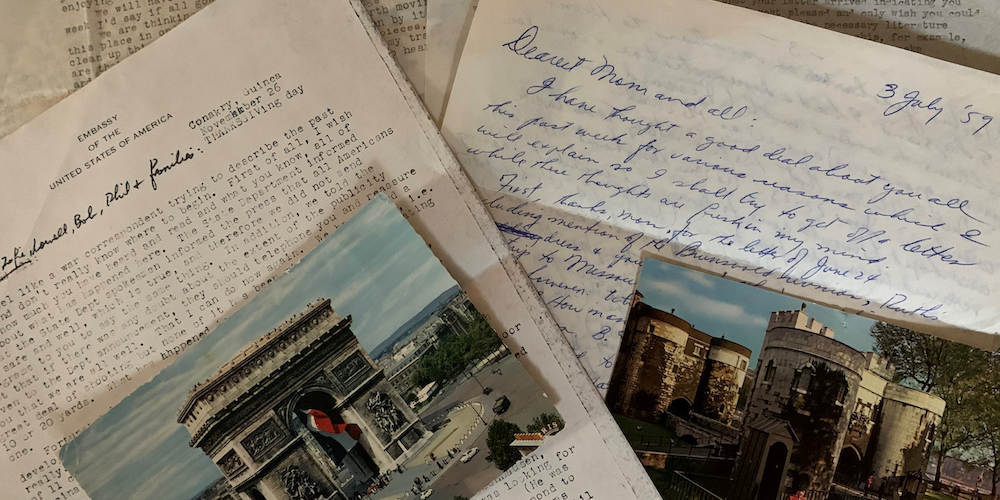
Long before email and social media, my parents wrote letters nearly every week, not just on Thanksgiving and Christmas.
By PATRICIA NORLAND
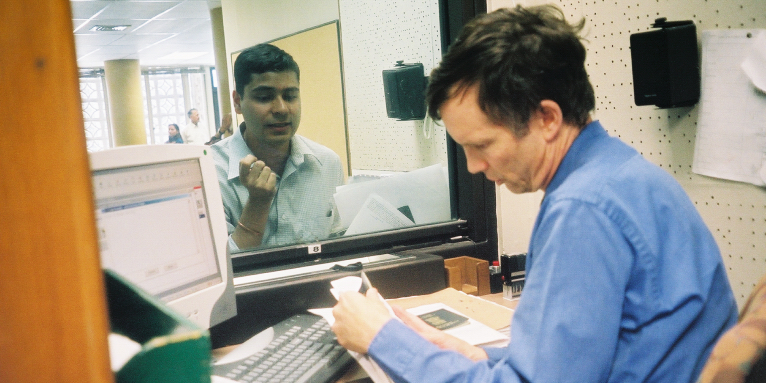
Demand is far outstripping resources, and the State Department has no great options as it struggles to clear the huge backlog of applications.
By NICHOLAS KRALEV
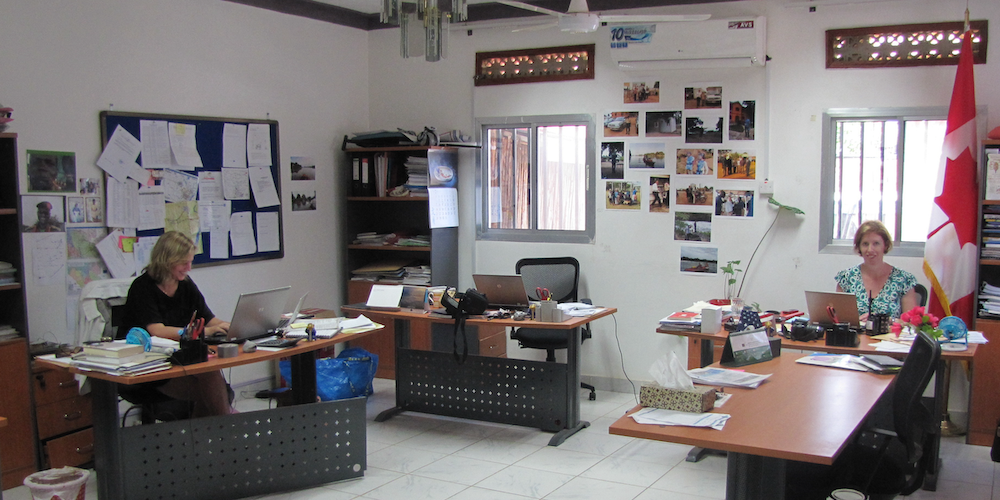
A sense of humor, resilience and informality helped much more than formality, tact and seriousness.
By NICHOLAS COGHLAN