
Why Lawyers Are Often a Diplomat’s Best Friends
The State Department’s Office of the Legal Adviser, which guides both institutional and individual decisions, isn’t immune to political pressure.
By ROBERT DOWNES
The State Department’s Office of the Legal Adviser, which guides both institutional and individual decisions, isn’t immune to political pressure.
By ROBERT DOWNES
Once presidential appointees leave government, the U.S. system provides for no accountability.
By NICHOLAS KRALEV
and ROBIN HOLZHAUER
The first diplomat to lead the agency, his tenure is an opportunity to improve the strained relationship between diplomacy and intelligence.
By NICHOLAS KRALEV
As U.S. diplomats try to explain the storming of Capitol Hill, they will face questions about American democracy. One-size-fits-all answers won’t work.
By ROBIN HOLZHAUER
Adventure, service and international cooperation drew me to the Foreign Service. Don’t lose your own ideals on the way to the top.
By TOM ARMBRUSTER
As an Asian-American intern at the State Department, I questioned if there was a place for me in the U.S. diplomatic service.
By CHLOE CHANG
Foreign Service officers have documented numerous legal and ethics violations by Trump appointees.
By NICHOLAS KRALEV
How serving as a public member of employee promotion panels turned my view of foreign policy upside down.
By MICHAEL H. CRESWELL

“We don’t recruit people for jobs; we recruit them for careers and a way of life,” Linda Thomas-Greenfield said.
By NICHOLAS KRALEV

We diplomats often identify with our job, and when we leave, we find ourselves confronting an identity crisis — or even loss of identity.
By CHARLES RAY
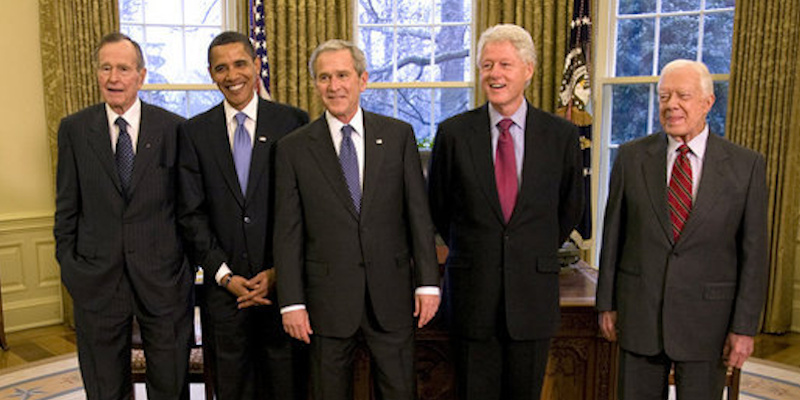
The American example has helped U.S. diplomats champion democratic transitions globally for decades. That will be much harder after 2020.
By ROBERT DOWNES
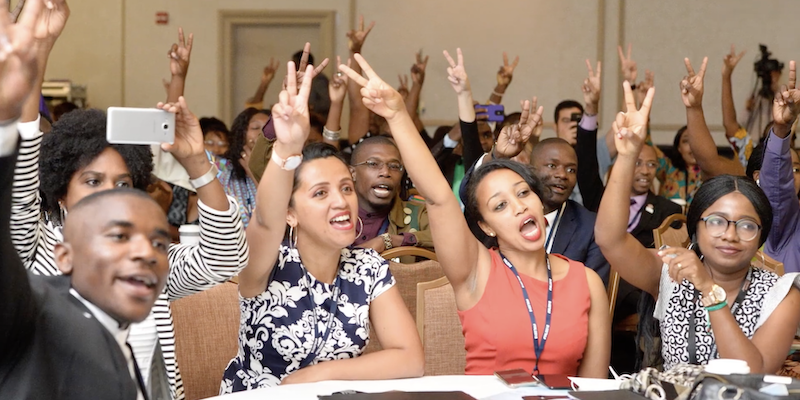
Be honest with Americans and foreigners, fight authoritarian propaganda and empower diplomats in the field.
By GORDON DUGUID